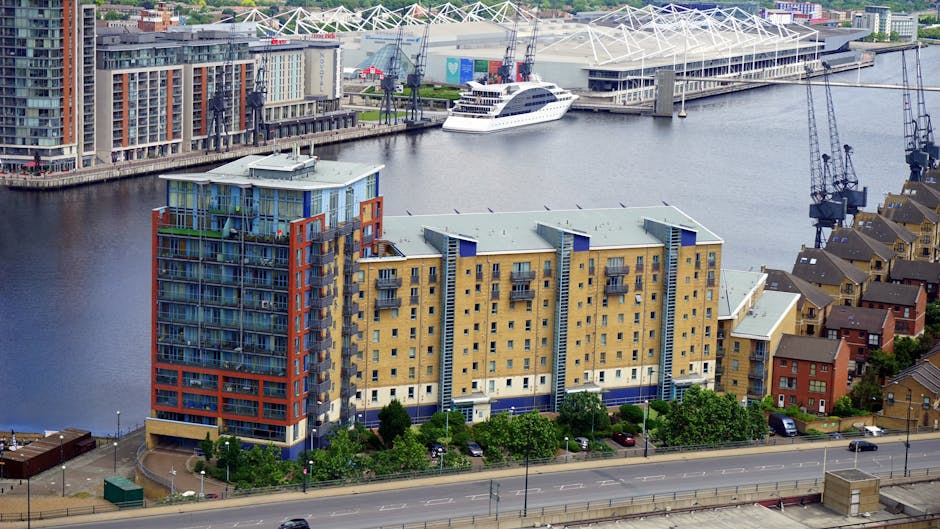
Clearing Flats on Millwall Estate: Tips for Docklands
If you are clearing a flat on Millwall Estate, you already know it is rarely just a matter of lifting a few boxes and calling it a day. Docklands properties often come with tight stairwells, lift bookings, parking quirks, concierge rules, and the usual mix of bulky furniture, old white goods, and the odd mystery item that somehow lived in a cupboard for years. Clearing Flats on Millwall Estate: Tips for Docklands is really about doing the job neatly, safely, and with as little stress as possible.
Whether you are moving out, preparing a rental for new tenants, dealing with a probate property, or just trying to reclaim space, the right approach makes a big difference. In this guide, we will walk through how flat clearance works in practice, what to plan for in Docklands, which mistakes slow people down, and how to keep the process efficient without cutting corners. Truth be told, a good clearance is part logistics, part judgement, and part not underestimating how heavy a sofa can feel on the fifth floor.
Table of Contents
- Why Clearing Flats on Millwall Estate: Tips for Docklands Matters
- How Clearing Flats on Millwall Estate: Tips for Docklands Works
- Key Benefits and Practical Advantages
- Who This Is For and When It Makes Sense
- Step-by-Step Guidance
- Expert Tips for Better Results
- Common Mistakes to Avoid
- Tools, Resources and Recommendations
- Law, Compliance, Standards, or Best Practice
- Options, Methods, or Comparison Table
- Case Study or Real-World Example
- Practical Checklist
- Conclusion
- Frequently Asked Questions
Why Clearing Flats on Millwall Estate: Tips for Docklands Matters
Millwall Estate sits in a part of London where homes are often compact, access can be awkward, and timing matters more than people expect. A flat clearance here is not only about removing unwanted items; it is about doing it in a way that respects the building, neighbours, and local rules of the area.
Docklands flats often have some combination of shared entrances, loading restrictions, limited on-street space, and management requirements for contractors. If you get the order wrong, the job can quickly turn into a waiting game. You may be ready to go, but the lift is booked, the bay is occupied, or the concierge wants vehicle details you did not think to provide. Small thing? Not really. It can add an hour or more, easy.
There is also the practical side. Flats in Millwall may contain a surprising amount of bulky waste packed into a relatively small footprint. That means careful sorting matters. Reusable furniture, recyclable materials, electrical items, and general rubbish should not all be treated the same way. Doing a clearance well can reduce waste, protect shared areas from damage, and make the property feel ready for its next chapter much faster.
Expert summary: In Docklands, the best flat clearances are the ones planned around access, item type, and building rules before the first bag leaves the door.
That is the difference between a smooth morning and a very long one with the van parked somewhere inconvenient while everyone gets slightly annoyed.
How Clearing Flats on Millwall Estate: Tips for Docklands Works
Flat clearance usually follows a simple structure, even if the job itself feels messy at first. The process begins with assessing what needs removing, then separating what can be kept, donated, recycled, or disposed of. After that comes access planning, loading, transport, and final disposal or transfer to the appropriate waste stream.
In Docklands, the practical detail often sits in the access stage. Does the building have lifts large enough for furniture? Is there a service entrance? Are there time windows for loading? Can a vehicle stop close enough to the block? These questions matter more than most people realise, especially if the flat is on an upper floor or contains items like wardrobes, beds, or appliances.
A professional flat clearance is usually more efficient than a piecemeal approach because the team can remove a wide range of items in one visit, often including:
- Furniture such as sofas, tables, chairs, and wardrobes
- Mattresses and bed frames
- White goods like fridges, freezers, and washing machines
- General household rubbish
- Mixed bulky waste from cupboards, balconies, or storage rooms
- Reusable items that may be separated for second-life use where suitable
If you are clearing after a tenancy, for example, the aim is usually to leave the property empty, presentable, and free from leftover clutter. In a probate situation, the pace may be more measured, because family members often want time to identify sentimental items before anything leaves the flat. Different situation, different tempo.
One thing to keep in mind: clearance is not the same as simple rubbish collection. Flat clearance is broader, more organised, and usually more sensitive to the condition of the home and the building. That is especially true on estates where shared spaces need to stay clean and undamaged.
Key Benefits and Practical Advantages
A well-run clearance offers more than an empty flat. It saves time, reduces physical strain, and helps avoid the kind of last-minute chaos that tends to happen when a move-out date is looming. And let's face it, most people do not enjoy trying to dismantle a bed at 9pm after work.
Here are the main benefits:
- Less stress: one organised visit is easier than weeks of small trips to the tip or recycling point.
- Better building manners: planned removals are kinder to hallways, lifts, and shared entrances.
- More efficient sorting: items can be separated for reuse, recycling, or disposal more sensibly.
- Faster property turnaround: useful for landlords, agents, executors, and homeowners preparing a sale.
- Safer handling: bulky items and awkward loads are less likely to cause injury when managed properly.
There is a financial side too, though it is wise to be cautious with assumptions. The cost of a flat clearance often depends on volume, access, labour, and how much can be reused or recycled. A clear scope usually leads to a clearer quote. A vague one often does not. That is just how these jobs go.
Another practical advantage is peace of mind. Knowing that the right items are being removed responsibly can matter a lot if you are dealing with a property sale, a landlord handover, or family probate. You want the flat cleared, yes, but you also want it handled properly.
Who This Is For and When It Makes Sense
Flat clearance on Millwall Estate is useful for a surprisingly wide range of people. It is not only for major moves or end-of-tenancy jobs. Sometimes the need is smaller and more immediate: a broken wardrobe blocking a bedroom, a spare room turned into storage, or a kitchen full of items that no longer work.
This kind of service makes sense for:
- Tenants who need to return a flat empty and tidy at the end of a tenancy
- Landlords and letting agents preparing a property for new occupants
- Families handling probate and estate matters
- Homeowners making space before a renovation or sale
- Anyone downsizing from a larger household into a compact Docklands apartment
- People with bulky items that cannot be handled through normal household collections
It also makes sense when time is tight. If the building schedule is narrow or the deadline is fixed, waiting to sort the job out later usually creates more pressure. The same is true if you are dealing with a cluttered flat where decisions are taking longer than expected. Some jobs need a quiet, methodical clear-out. Others need a firmer line and a practical plan.
In our experience, the people who benefit most from flat clearance are the ones who want certainty. They want to know what is going, what is staying, what needs careful handling, and when the flat will actually be empty. That clarity is half the battle.
Step-by-Step Guidance
If you want a smoother flat clearance on Millwall Estate, break the job into stages. Doing everything at once sounds efficient, but in reality it usually leads to double handling and last-minute panic.
- Walk through the flat room by room. Make a list of furniture, white goods, bags, boxes, and any fragile or personal items.
- Separate personal belongings first. This sounds obvious, but important paperwork, photos, keys, and keepsakes often hide in drawers and cupboards.
- Identify reusable, recyclable, and waste items. You do not need to overthink every object, just create sensible groups.
- Check access and building rules. Lift sizes, parking, loading restrictions, concierge requirements, and time windows all affect the schedule.
- Measure large items where needed. A sofa or wardrobe that looks manageable can become a nightmare at the doorway. Been there, seen that.
- Request a clear quote. Good quotes usually reflect volume, labour, access difficulty, and item type.
- Schedule the clearance at the right time. Choose a slot that gives you enough room before check-out, sale completion, or handover.
- Prepare the flat for easy loading. Move lighter items into one area if possible, disconnect appliances safely, and clear hallways.
- Do a final check. Look in cupboards, under beds, on balconies, and in utility spaces. Small items get left behind all the time.
- Confirm disposal and follow-up. If you need records for an agent, landlord, or executor, keep any paperwork or job confirmation provided.
When the room-by-room approach is done properly, the rest usually falls into place. It is a bit like packing a suitcase: if you start randomly, it gets ugly fast. If you group things sensibly, you stay in control.
Expert Tips for Better Results
A few small habits can make a flat clearance noticeably easier. These are the details that people tend to overlook until the day itself.
1. Start with the largest items
Big furniture sets the tone for the job. If a wardrobe, bed, or sofa has to come out through a tight hallway, it is better to tackle it early while the space is clear and energy is fresh.
2. Keep one clear route through the flat
Do not turn the hallway into a temporary storage area. Leave a clean path from each room to the door. It sounds simple, and it is, but it saves real time.
3. Use sensible sorting, not perfectionism
You do not need to become a recycling expert for the afternoon. Just separate obvious categories: keep, donate, recycle, dispose. Good enough is usually good enough.
4. Protect shared spaces
In an estate setting, door frames, lifts, and corridor walls deserve attention. A few blankets or careful handling can prevent scuffs that would otherwise become a headache later.
5. Plan around the neighbours
Early mornings may work better for access, but not if they create avoidable noise at awkward hours. A balanced schedule is often best. Docklands blocks can be quite lively already; no one needs extra clatter.
6. Ask about bulky or specialist items
Some items need particular handling, such as fridges, mattresses, or mixed electrical waste. Mention them upfront so the team can bring the right equipment and allow enough time.
One more thing. If you are not sure whether an item should be kept, donated, or removed, set it aside in a "review" pile. That tiny pause can save you from throwing away something useful by mistake. It happens more often than people admit.
Common Mistakes to Avoid
Flat clearances tend to go wrong for very ordinary reasons. The good news is that most of them are avoidable.
- Leaving access planning until the day of the job. This is probably the biggest time-waster in Docklands.
- Forgetting about building rules. Some blocks require notice for lift use or loading access.
- Underestimating item volume. A flat can look almost empty until you open every cupboard.
- Mixing keep items with waste. That is how sentimental things disappear into a black bag by accident.
- Not checking for hidden items. Balconies, under-bed storage, and kitchen cupboards are common hiding spots.
- Trying to move dangerous or too-heavy items alone. Mattresses, solid wardrobes, and old appliances can be awkward and risky.
Another common slip is assuming every job is identical. A one-bed rental clearance is not the same as clearing a long-occupied family flat. The more cluttered the space, the more important it becomes to slow down at the decision stage so the physical work goes smoothly.
And yes, sometimes the easiest-looking item is the worst one. A lightweight chair can be a faff if the hallway has a narrow bend. It always seems a bit unfair.
Tools, Resources and Recommendations
You do not need a warehouse full of kit to clear a flat well, but the right tools help. For a household clearance, sensible equipment and decent organisation often matter more than brute force.
| Tool or Resource | Why It Helps | Best Use |
|---|---|---|
| Heavy-duty bags and boxes | Keep loose items together and reduce mess | Books, textiles, mixed household contents |
| Furniture blankets or wraps | Protect items and shared areas from scuffs | Sofas, tables, hallways, lift interiors |
| Basic hand tools | Help dismantle items that will not fit through doors intact | Beds, wardrobes, shelving |
| Labels or marker pens | Make sorting faster and clearer | Keep, donate, recycle, dispose zones |
| Gloves and sturdy footwear | Reduce the risk of cuts or slips | General handling and loading |
For many people, the most useful resource is simply a reliable clearance service that knows London access conditions and understands how to work around estate layouts. A service page like flat clearance can help set expectations, while area-specific pages such as flat clearance in Docklands and flat clearance in Millwall may be useful if you want a more local overview of the kind of work involved.
If you are dealing with a lot of furniture, it can also help to look at related services such as furniture removal and collection, mattress removal and collection, or white goods recycling. That is especially handy when the clearance includes a mix of items rather than one neat category. Which, let's be honest, is most flats.
For broader jobs that go beyond one apartment, a service like property clearance or home clearance may be the better fit. The main point is to match the service to the actual job, not just the name on the brochure.
Law, Compliance, Standards, or Best Practice
Flat clearance touches on waste handling, building safety, access, and sometimes the disposal of electrical items or appliances. You do not need to become a legal expert, but it is worth following normal UK best practice so the job is handled responsibly.
At a practical level, that means waste should be managed by a legitimate operator, items should not be fly-tipped, and shared residential areas should be kept clean and safe. If the clearance includes electrical goods, fridges, or mattresses, they should be handled in line with appropriate disposal and recycling routes rather than dumped with general rubbish.
If you are arranging the work in a managed estate, check building rules before the day. Some properties expect advance notice, booking of lifts, or contractor details. In Docklands, these little admin steps can matter as much as the physical removal itself. Not glamorous, but essential.
For landlords, agents, and executors, there is also a simple best-practice standard: document what has been removed, keep any relevant job confirmation, and make sure personal belongings are separated before disposal begins. That helps avoid disputes later, especially where probate or tenancy deposit discussions may arise.
Safety matters too. Heavy lifting should be avoided where it creates a risk of injury, and awkward items should be dismantled where sensible. If an object is damaged, leaking, or contaminated, it may need extra care. A cautious approach is rarely wasted.
When in doubt, ask for a plan rather than a promise. A proper clearance setup should explain access, handling, disposal, and any limits clearly. That is how you avoid the messy surprises.
Options, Methods, or Comparison Table
There are a few different ways to clear a flat on Millwall Estate, and the right option depends on your time, the amount of waste, and how much effort you want to spend yourself.
| Method | Best For | Pros | Watch Outs |
|---|---|---|---|
| Self-clearance | Small loads and flexible timelines | Can be cheaper if you already have transport | Time-consuming, physically demanding, access and parking can be tricky |
| Partial clearance | A few bulky items or a mixed flat where some items stay | Useful when only certain items need removing | Less efficient if the flat is heavily cluttered |
| Full flat clearance | End-of-tenancy, probate, sale prep, or major decluttering | Fast, organised, usually less stressful | Needs clear scope and proper access planning |
For most Docklands flats, full clearance wins on convenience, especially when the job involves multiple bulky items. But self-clearance can make sense for a small, manageable load if you have time and transport. The main thing is being realistic. A single bookshelf is one thing; a flat packed with furniture is another entirely.
Case Study or Real-World Example
Here is a simple real-world style example. A one-bedroom flat near the Millwall area needs clearing after a tenant moves out. The property contains a sofa, bed frame, mattress, shelving, two wardrobes, a fridge-freezer, and several bags of mixed household waste. On paper, it sounds straightforward. In practice, the building has a narrow lift, a shared corridor, and limited loading time outside.
The best outcome comes from doing three things early: confirm access rules, separate personal belongings from clearance items, and book the job with enough time to dismantle the larger furniture. Once that is done, the rest of the work becomes much easier. The fridge-freezer is handled separately, the mattress is removed without dragging it through the hallway, and the corridor is kept clear so neighbours are not boxed in.
What made the difference? Planning. Not fancy planning either. Just a sensible walk-through, a decent list, and enough time to avoid rushing. The flat was emptied without damage to the building, and the handover was cleaner for everyone involved. Simple, but not always easy.
That is usually how these jobs go in Docklands. The property itself is the easy part. The access, timing, and coordination are where the real work lives.
Practical Checklist
Use this checklist before the clearance day so nothing important gets missed.
- Walk through every room, cupboard, and storage area
- Remove personal papers, valuables, keys, and sentimental items
- Identify large furniture, mattresses, and appliances
- Decide what stays, what goes, and what needs a second look
- Check lift access, parking, and loading restrictions
- Confirm any estate or building booking requirements
- Measure awkward items if the flat has narrow doors or hallways
- Ask about handling for fridges, beds, and other specialist items
- Clear hallways and make a safe route for loading
- Keep pets, children, and unrelated visitors away from the work area
- Have a final room-by-room check before the team leaves
- Keep any paperwork or job confirmation you may need later
That final check is the one people forget most often. A quick last look can save a lot of grief, especially in built-in storage or behind doors. It takes minutes. Worth it.
Conclusion
Clearing Flats on Millwall Estate: Tips for Docklands comes down to one simple idea: a good clearance is planned, not improvised. Once you understand the building access, sort the items properly, and choose the right removal approach, the whole process becomes much more manageable.
Whether you are dealing with a one-off furniture removal, a full probate clearance, or a tenant handover, the basics stay the same. Protect the property, separate items carefully, work to the building's practical limits, and avoid the common rush-job mistakes. That is how you keep the process calm and efficient, even when the flat has a lot more in it than you first thought.
Get a free quote today and see how much you can save.
And if you are still standing in a room full of boxes wondering where to begin, start with one shelf. Then another. That is usually enough to get the momentum going.
Frequently Asked Questions
What does flat clearance on Millwall Estate usually include?
It usually includes the removal of unwanted furniture, mattresses, white goods, household rubbish, and other bulky items from a flat. The exact scope depends on what is being left behind and whether anything needs special handling.
How long does a flat clearance in Docklands take?
It depends on the size of the flat, how much needs removing, and whether access is easy or awkward. A small, tidy flat may be relatively quick, while a cluttered property with bulky furniture and tricky lift access can take considerably longer.
Do I need to sort items before the clearance team arrives?
It helps a lot if personal belongings are separated before the day. You do not need to pre-sort every last object, but keeping valuables, paperwork, and keepsakes apart saves time and reduces the risk of mistakes.
Can bulky items like sofas and wardrobes be removed from upper floors?
Yes, usually, but access matters. Lift size, stairwell width, and hallway bends all affect how the items are taken out. Some furniture may need dismantling, which is one reason planning in advance is so useful.
What if the building has parking restrictions?
That is very common in Docklands, so it should be checked before the clearance day. If vehicle access is limited, the job may need to be scheduled around loading windows or arranged in a way that avoids delays.
Are fridges and freezers handled differently?
They often are, because white goods can require separate disposal or recycling arrangements. It is best to mention appliances upfront so they are included in the plan and handled properly.
Is flat clearance suitable for probate properties?
Yes, absolutely. Probate clearances often need a more careful, measured approach, especially where family members want to review belongings before removal. A clear list and sensitive handling make a big difference.
How do I know if I need a full clearance or just furniture removal?
If the flat has only a few large items, furniture removal may be enough. If there are multiple rooms, cupboards, mixed waste, and leftover contents, a full flat clearance is usually the better option.
What should I do with items I want to keep but do not have room for right now?
Set them aside in a clearly marked keep area before the clearance starts. If space is tight, it may help to move those items into one room first so there is no confusion during the removal.
Is it better to book flat clearance before or after moving out?
Usually before the final handover, so the property can be left empty and checked properly. That said, timing depends on your move date, access arrangements, and whether you still need to sort through belongings.
What are the most common mistakes people make during flat clearance?
The biggest ones are underestimating the amount of stuff, forgetting building access rules, leaving sorting too late, and not checking cupboards, balconies, or hidden storage spaces. Small oversights become big delays very quickly.
Can a clearance help if the flat is cluttered or hard to organise?
Yes. In cluttered situations, a structured clearance plan is often more effective than trying to tackle everything alone in one sweep. Start with the essentials, separate valuables, and work through the property methodically.