Complaints Procedure for Flat Clearance Services
 This complaints policy sets out the formal procedure for handling concerns relating to flat clearance services, including property clearance, apartment removal and end-of-tenancy clearances. It applies to all clients who commission a residential or commercial flat tidy-out and covers complaints about service quality, handling of items, scheduling and any alleged damage. The aim is to resolve issues promptly and fairly while safeguarding the rights of the customer and the operational staff. This document explains how to raise a concern, what to expect during an investigation, and next steps if you remain dissatisfied.
It is expected that most issues can be addressed informally and quickly. Initial contact should clarify the nature of the concern and the desired outcome. Complaints related to missing items, damage during removal, or dissatisfaction with the standard of clearance work are all within scope. The procedure also applies to disputes over billing or unexpected charges. We commit to transparent handling and to keeping records of every complaint to ensure continuous improvement.
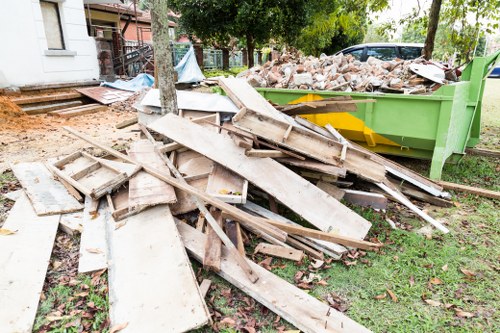
![A large blue metal skip positioned outdoors on a paved surface, filled with a mix of waste materials including white plastic sheets, brown cardboard boxes, and various packaging debris. The skip's sides are high, with some waste stacked up to the top, spilling over slightly. In the background, there are parts of a green fence and blurred buildings or structures, indicating an urban or suburban setting. The waste appears loosely organized, with some items leaning on the edges and others piled irregularly inside. The lighting suggests daytime with natural sunlight casting minimal shadows, and the environment around the skip looks clean apart from the accumulated rubbish. Flat Clearance London regularly handles rubbish removal across the local area, including neighborhoods within the [POSTCODE] area, ensuring efficient clearing of such waste from driveways, pavement, or commercial premises.](/pub/_photos/rubbish/f1341434520.jpg) If an informal approach does not achieve a satisfactory outcome, a formal complaint may be submitted in writing. When lodging a complaint please include clear details such as the date of service, a description of the issue, the names of any personnel involved if known, and any supporting evidence such as photographs or invoices. Key steps in the process include:
If an informal approach does not achieve a satisfactory outcome, a formal complaint may be submitted in writing. When lodging a complaint please include clear details such as the date of service, a description of the issue, the names of any personnel involved if known, and any supporting evidence such as photographs or invoices. Key steps in the process include:
- Acknowledgement: We will confirm receipt of your complaint and explain the next steps.
- Assessment: The issue will be logged and assessed to determine the most appropriate investigator or manager to handle the case.
- Investigation: Evidence will be gathered and relevant staff consulted.
Formal Investigation and Timescales
Once a complaint is registered formally it will be investigated by an appointed manager or complaints officer. The investigation will seek to establish facts impartially and will be proportionate to the nature and seriousness of the complaint. Typically, complaints will be acknowledged within three working days, and a full response will follow within a reasonable timeframe, often within 15-20 working days depending on the complexity. If more time is needed, you will be informed of the reason for the delay and given an estimate for a full reply. During the investigation we will aim to preserve confidentiality and treat all parties with respect. Evidence collection may include reviewing job records, checking photographic evidence, and interviewing staff who attended the clearance or removal. This stage may also include a reconciliation of inventories and review of any contracts or terms that applied to the service. Neutrality is central to this phase, and conclusions will be evidence-based.
Possible outcomes of an investigation include finding that the complaint is upheld fully, partially upheld, or not upheld. Remedies may include offering an apology, proposing remedial action, arranging a revisit to rectify issues where feasible, or offering a proportional financial adjustment where appropriate. Decisions will be communicated in writing, with an explanation of the rationale and any corrective steps to be taken.
Escalation, Record Keeping and Review
All complaints and their outcomes will be logged in a secure complaints register to allow trend analysis and operational learning. Records will include the nature of the complaint, steps taken during the investigation, outcome, and any corrective measures implemented. Maintaining this record supports continuous improvement, staff training and quality control across clearance operations. If you remain dissatisfied after receiving a full response, there is an internal appeal stage where a senior manager will review the case independently. Appeals should be limited to grounds such as procedural error, new evidence not previously considered, or demonstrable unfairness in the original process. Appeals will be acknowledged promptly and handled within a defined period to ensure a timely final view.
 Commitment to improvement underpins this complaints policy. Learning from concerns helps to enhance service standards for removals, flat clearance work and apartment clearing projects alike. We strive for fair, timely and transparent resolution, and any corrective actions arising from complaints will be applied to prevent recurrence. Customers receive clear communication at each stage, and records of complaints are used to inform training, operational changes and quality assurance reviews.
General principles:
- Accessibility: The process is straightforward and open to anyone who has commissioned a clearance.
- Impartiality: Investigations are conducted fairly and without bias.
- Timeliness: Acknowledgements and responses are provided within published timescales.
- Confidentiality: Personal data and sensitive details are handled appropriately and securely.
By following this structured complaints procedure for flat clearance and residential clearance services, disputes are handled consistently and professionally. If issues are identified, the emphasis will be on remedial action and organisational learning rather than blame. The overall objective is to restore confidence in the service delivered and to ensure future visits and clearances meet the expected standards. Fairness, clarity and continuous improvement are the cornerstones of the approach set out in this policy.