Hackney Council Bulk Rubbish Permits and Fines Explained
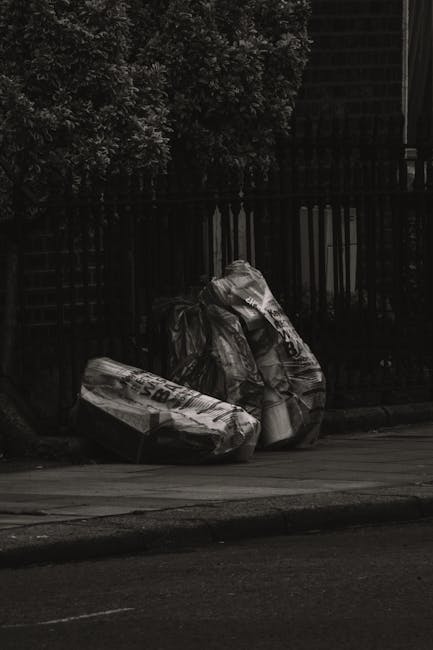
If you are trying to figure out Hackney Council Bulk Rubbish Permits and Fines Explained, you are probably dealing with one of two things: a sofa, mattress, fridge, or other bulky item that has to go, or a worry that you might get fined for leaving it out the wrong way. Truth be told, that is a very common stress point. One minute you are clearing a flat in Dalston or Homerton, the next you are wondering what is allowed, what is not, and whether a missed step could turn into a fine. Nobody wants that headache.
This guide breaks the topic down in plain English. You will learn how bulk waste collection usually works in Hackney, why permits and local rules matter, what can trigger a penalty, and how to choose the safest, simplest route for getting rid of bulky rubbish. We will also cover practical steps, common mistakes, and a realistic comparison of council collection versus private removal, so you can make a sensible decision without the guesswork.
Why Hackney Council Bulk Rubbish Permits and Fines Explained Matters
Bulk waste rules matter because bulky items are exactly the sort of thing that can create a mess, block pavements, or end up in the wrong place if you are in a rush. In Hackney, as in the rest of London, councils take illegal dumping, obstructive placement, and misuse of waste services seriously. That is not just about tidiness. It is about public safety, street access, fly-tipping prevention, and making sure waste goes through the proper route.
For residents, the practical issue is simple: what counts as bulk rubbish, how do you get it removed, and what happens if you leave it outside without following the rules? A lot of people assume bulky waste is just "put it on the street and wait." It rarely is that simple. The details matter, especially if you live in a block, on a tight street, or in an area with controlled access.
In a place like Hackney, where streets can be busy and space is tight, one badly placed mattress can become everyone's problem by 8am. That is why understanding permits, collection arrangements, and the risk of fines is more than a technicality. It helps you avoid delays, complaints from neighbours, and avoidable costs. And let's face it, nobody needs a fine on top of a flat clearance.
How Hackney Council Bulk Rubbish Permits and Fines Explained Works
The first thing to understand is that "bulk rubbish permit" is often used casually by residents, but the exact process depends on the type of waste, where you live, and how the collection is arranged. For some bulky items, the council may offer a booked collection service. For others, there may be specific conditions on placement, timing, or acceptable materials. If an item is not accepted or is set out incorrectly, it can be left behind or attract enforcement action.
Broadly, the process usually works like this:
- You identify the item or items you need removed.
- You check whether the council collection service covers them.
- You follow the booking and placement instructions carefully.
- You put the items out only when and where you are told.
- If the waste is incorrect, mixed with prohibited items, or dumped without permission, a fine or enforcement notice may follow.
That is the short version. The real world version involves a few more moving parts. For example, a wardrobe and a broken fridge are both bulky items, but they are not handled the same way. Electrical items, metal items, upholstered furniture, and mixed waste all need different checks. If you are dealing with more than one category, you need to slow down a little and sort it properly.
If you are comparing council-led disposal with a private option, it can help to look at services such as bulky waste collection or large item collection to understand what a more flexible clearance route might look like.
In plain terms: the council route is usually best when the item fits the service rules; private removal can be better when time, access, or item type makes the council option awkward.
Key Benefits and Practical Advantages
There is a good reason people still try to use the correct bulk waste route rather than just "sorting it later." Doing it properly saves time, stress, and potentially money. It also reduces the chance of complaints from neighbours or problems with building managers. You know the sort of thing: a sofa left near the front entrance all weekend, then a note appears on the door. Not ideal.
Here are the main practical advantages of getting bulk rubbish disposal right:
- Lower risk of fines: Following the correct process reduces enforcement risk.
- Cleaner communal areas: Shared spaces stay safer and more usable.
- Less back-and-forth: You avoid collections being missed or items being rejected.
- Better recycling outcomes: Items can be sorted into proper disposal streams where possible.
- Less neighbour friction: No one enjoys stepping around an old mattress by the bins.
There is also a time-saving benefit that people underestimate. If you prepare correctly the first time, you cut out the annoying cycle of phone calls, rebookings, and "sorry, that item cannot be taken." A small bit of planning now is usually easier than a last-minute panic at 7:30 on a Tuesday morning.
For larger household clear-outs, you may also want to look at related services like house clearance, flat clearance, or furniture removal and collection if the job involves more than one bulky item.
Who This Is For and When It Makes Sense
This topic is relevant for a lot of people, not just landlords or people moving house. In Hackney, bulky waste problems come up in all sorts of everyday situations:
- Tenants replacing a mattress or sofa
- Homeowners clearing out a garage or loft
- Landlords dealing with abandoned furniture after a tenancy ends
- Estate executors arranging a probate clearance
- Small businesses disposing of old office furniture
- Anyone who has accidentally ended up with a fridge, desk, or bed frame that no longer fits the space
It makes sense to focus on the council route when you have a straightforward item, you are not in a rush, and the collection rules are easy to follow. It may make more sense to use a private clearance service when the waste is heavy, awkward, time-sensitive, or mixed with other rubbish. If your staircase is narrow and the item looks like it was designed by someone who hates moving day, well, you may want a bit more help.
For example, if you are dealing with a broken appliance, a service like fridge disposal or white goods recycle may be more appropriate than a general rubbish route.
Step-by-Step Guidance
If you want to avoid problems, the safest approach is to work methodically. This is the part people often rush, which is exactly where mistakes happen. So, take it in order.
- Identify every item clearly. Write down what needs removing and separate bulky items from general rubbish.
- Check the item type. Furniture, electricals, mattresses, builders' waste, and mixed household waste may all have different handling rules.
- Confirm the disposal route. Decide whether the council collection, a permitted private service, or a combination is the better fit.
- Prepare the item properly. Remove personal belongings, drain or secure anything that could leak, and make sure items are safe to handle.
- Follow placement instructions exactly. Put the item out only where and when you are told to.
- Keep access clear. Do not block pavements, doorways, shared paths, or fire exits.
- Take photos if needed. A quick phone picture can help you remember what was placed out and when, especially if there is any dispute later.
One thing to remember: if your item is mixed with general waste bags, loose materials, or construction debris, the collection may be refused. That is where people get caught out. A single armchair is one thing. An armchair surrounded by half a bathroom renovation is another story entirely.
If your situation is broader than one item, services such as rubbish clearance or waste collection may be a better starting point.
Expert Tips for Better Results
There are a few small habits that make a big difference. Most of them are boring, which is usually a good sign. The boring bit is where the trouble gets avoided.
- Book before the situation becomes urgent. Stress leads to skipped steps.
- Separate items by type. Keep furniture, electricals, and general rubbish apart where possible.
- Check access early. Measure stairwells, doors, and lift dimensions if you are in a block.
- Avoid leaving items out too soon. Early placement can be treated as a problem in itself.
- Use a proper uplift route for hazardous or special items. Not everything belongs in a bulk pile.
Another useful tip is to think beyond the item in front of you. If you are replacing a sofa, ask yourself whether there is also a broken coffee table, an old rug, or packaging that should be removed at the same time. A coordinated clearance is usually less hassle than doing the same job twice. No one likes a repeat trip to the curb. Not really.
If sustainability matters to you, it may be worth reading about recycling and sustainability or waste recycling so you can make better disposal choices where possible.
Common Mistakes to Avoid
Most fines and collection problems come from predictable mistakes. The good news is that they are avoidable once you know what they look like.
- Leaving items out without checking the process first. This is the fastest route to trouble.
- Mixing bulky waste with ordinary bags of rubbish. Councils and collectors may reject the load.
- Putting out banned or unsafe items. Some items need separate handling.
- Blocking pavements or entrances. Even temporarily, this can create enforcement issues.
- Assuming "someone will take it." That is not a disposal plan, really.
- Forgetting that fly-tipping rules apply even to one item. A mattress dumped next to a bin is still an offence.
A subtle one that catches people out is overconfidence. Maybe the item looks small enough, or maybe a neighbour said they did it a certain way two years ago. Rules and services change, and even when they do not, the details matter. Always check the current process rather than relying on memory.
Tools, Resources and Recommendations
You do not need fancy equipment to sort bulk waste properly, but a few basic tools help a lot. A tape measure, gloves, strong bin bags, and a phone camera are usually enough for the planning stage. If the item is heavy, a sack truck or trolley can reduce the risk of injury. And if the waste is awkward or valuable to recycle, keeping it dry and intact is often worth the tiny extra effort.
Useful service types to consider, depending on your situation, include:
- council large item collection for individual bulky pieces
- bulk waste collection for larger household clear-outs
- furniture clearance when multiple items need removing together
- mattress disposal for old beds and bedding materials
- bed disposal when frames and mattresses need separate handling
If you want a more joined-up clearance, you may also find home clearance, property clearance, or waste removal more practical than trying to manage each item alone.
Practical summary: if the job is simple, a council route may be enough; if the job is fiddly, time-pressured, or spread across several rooms, a flexible clearance service often saves more time than it costs.
Law, Compliance, Standards, or Best Practice
When talking about fines, it helps to stay grounded in the real compliance picture. Councils generally enforce local waste rules alongside wider UK waste-duty expectations. That means you should not assume that leaving an item near a bin is harmless, or that handing waste to any random collector automatically makes the responsibility disappear. In practice, the duty to dispose of waste properly matters, and anyone arranging a collection should use a legitimate, traceable route.
Best practice is straightforward, even if the wording on official notices can be a bit dry:
- Use an appropriate collection route for the type of waste.
- Do not obstruct pavements, shared areas, or entrances.
- Keep waste separated where required.
- Store items safely until collection day.
- Retain booking details or proof of arrangement where possible.
For businesses, the compliance bar is usually higher. If you are clearing a shop, office, or workspace, waste handling should be consistent with commercial waste rules and duty-of-care expectations. That is where services like business waste removal, commercial waste collection, and commercial waste disposal become especially relevant.
If you are ever unsure whether an item is safe to leave out or whether it needs special handling, treat caution as the default. Better to pause for ten minutes than deal with a penalty letter later. Honestly, that tiny pause can save a lot of grief.
Options, Methods, or Comparison Table
There is no single "best" method for every bulky waste situation. The right choice depends on item type, urgency, access, and how much help you need on the day. Here is a practical comparison to help you decide.
| Option | Best for | Strengths | Watch-outs |
|---|---|---|---|
| Council bulky item collection | Simple, eligible items | Often straightforward and suitable for single items | May have booking rules, item limits, or placement requirements |
| Private bulky waste removal | Urgent, awkward, or mixed loads | More flexible timing and load handling | Need to choose a reputable provider and confirm what is included |
| Full house or flat clearance | Multiple rooms or end-of-tenancy jobs | Efficient for bigger clear-outs | May be more than you need for one or two items |
| Specialist item disposal | Fridges, mattresses, beds, or furniture sets | Safer and more accurate handling | Different items may need different routes |
The decision is usually less about theory and more about convenience. If you are moving out this weekend and the stairwell is narrow, a more flexible service might be the sane option. If it is just an old chair and you are not in a rush, the council route may be perfectly adequate.
Case Study or Real-World Example
Let's take a realistic example. A tenant in Stoke Newington is moving out of a first-floor flat and has a sofa, a broken bedside cabinet, and an old mattress to remove. At first glance, it seems simple enough. But the building has a narrow communal stairwell, parking is tight, and the move-out date is fixed. The tenant also worries about leaving items out too early and attracting a fine.
In a case like this, the first step is to separate the items and decide whether the council route is suitable for each one. If the sofa and mattress can be handled through a bulky collection service, great. If access is too awkward or the timing is too tight, a private clearance route may be the more reliable option. The key is not to wait until the last night and hope for the best. That is how people end up stressed, apologising to neighbours, and carrying a mattress down stairs at 10pm. We have all seen that film.
What worked best here was planning the collection around the property access, not just the items themselves. Once the tenant checked dimensions, confirmed what could be taken, and arranged the removal in advance, the move became much smoother. No fine. No last-minute drama. Just a slightly tired person with one less mattress in the world.
Practical Checklist
Use this checklist before you set any bulk waste out for collection.
- Have I identified every item that needs to go?
- Do I know whether each item is accepted by the chosen service?
- Have I separated furniture, electricals, and general rubbish?
- Have I checked access, parking, and stairwell space?
- Do I know the exact collection date and time window?
- Have I followed any placement instructions carefully?
- Is the item safe to move, carry, or leave outside?
- Have I removed personal items and anything valuable from drawers or cushions?
- Do I have a backup plan if the service cannot take one of the items?
- Have I kept any booking confirmation or notes?
If you can tick most of those off without hesitation, you are in good shape. If a few boxes are still blank, pause and sort them out now. It is always easier to spend ten minutes checking than to spend a whole afternoon untangling a collection problem later.
Get a free quote today and see how much you can save.
Conclusion
Hackney Council bulk rubbish rules are not just bureaucratic noise. They exist to keep streets clear, protect shared spaces, and prevent waste from being dumped in the wrong place. Once you understand the basics, the process becomes much easier to manage. The real trick is not speed; it is preparation.
If you remember only a few things, make them these: identify the item properly, check the right disposal route, follow placement instructions closely, and never assume that leaving bulky rubbish outside will sort itself out. A little care now can save you a fine, a missed collection, or an awkward message from a neighbour. And that is worth doing right.
Whether you are clearing one old sofa or dealing with a full property, a calm, organised approach will usually get you the best result. No drama, no guesswork. Just a cleaner space and a bit more peace of mind, which is never a bad thing.
Frequently Asked Questions
What counts as bulk rubbish in Hackney?
Bulk rubbish usually means large items that do not fit into normal household bins, such as sofas, wardrobes, beds, mattresses, fridges, and similar household goods. The exact acceptance rules can vary by service, so it is worth checking the item type before you arrange removal.
Do I need a permit for bulky waste collection?
People often use "permit" loosely, but what really matters is whether you are using the correct collection route and following the placement rules. Some situations may require a booked service, while others may need special handling. If in doubt, confirm the process before you put anything out.
Can I leave a sofa on the pavement for collection?
Not unless it has been arranged properly and the instructions say it is okay to do so. Leaving items on the pavement without authorisation can be treated as fly-tipping or an obstruction, depending on the circumstances. Best to avoid guessing here.
What happens if I put bulk rubbish out too early?
If items are left out before the approved time or in the wrong place, they may be removed, rejected, or trigger enforcement action. Early placement is a common mistake, especially when people are trying to be organised the night before. Ironically, that is often where the trouble starts.
Can Hackney Council fine me for leaving rubbish outside my home?
Yes, if the waste is left in a way that breaches local rules or creates a nuisance, an enforcement response may follow. The exact outcome depends on the circumstances, but assuming "it will be fine" is not a safe approach.
Are mattresses and beds treated the same as furniture?
Not always. Mattresses, bed frames, and upholstered furniture can be handled differently depending on the service and recycling arrangements. If you have a bed to remove, it is worth checking whether separate bed or mattress disposal is the better option.
What if my bulky item is too heavy to move safely?
Do not force it. Heavy items can damage floors, walls, or your back if they are carried badly. In that situation, a more flexible clearance service or specialist help is usually the safer route. Safety first, always.
Can I mix garden waste with bulky household items?
Usually not in one pile, unless the service specifically allows it. Mixed loads are one of the most common reasons items get refused. Keep garden clearance separate from furniture and other household bulk waste where possible.
Is a private rubbish removal service better than the council?
Sometimes yes, sometimes no. The council route may be fine for a straightforward item, but private removal is often better for awkward access, larger clear-outs, or time-sensitive jobs. It depends on your situation, not just the item itself.
How can I avoid a fine when getting rid of bulky waste?
Follow the correct collection process, place items only where and when instructed, keep access clear, and do not dump anything on the street without permission. If you are unsure, ask before you act. That one habit saves a lot of trouble.
What should landlords do with abandoned furniture?
Landlords should treat abandoned items as a proper clearance job, not as something to leave for later. Check what can be removed legally, arrange a suitable collection, and keep records where appropriate. In many cases, a property or house clearance service is the cleaner solution.
What if I need to clear several rooms at once?
If the job involves more than a few items, a full clearance is often easier than trying to handle each piece separately. Services such as house clearance, flat clearance, and property clearance can save time and reduce the risk of missed items or messy leftovers.
Where should I start if I'm unsure what service I need?
Start by listing the items, separating them by type, and thinking about access and timing. Then compare a council bulky item route with a more flexible removal service. If you are still unsure, a short quote request is usually the quickest way to narrow it down without overthinking it.