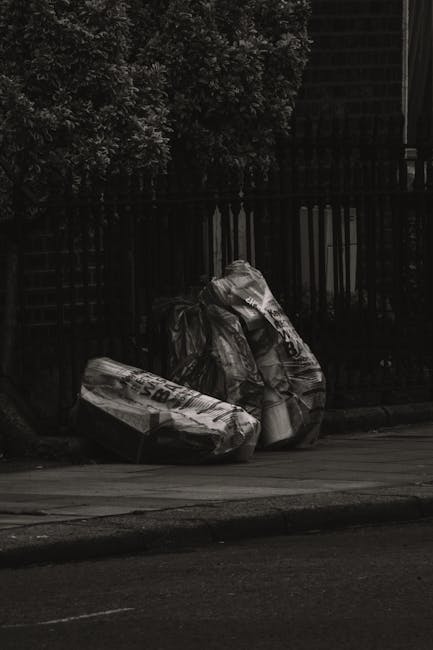
London Council Rules for Bulky Waste: What You Must Know
If you have an old sofa in the hall, a broken fridge in the kitchen, or a pile of flat-pack shelves you keep tripping over, bulky waste can suddenly become the loudest problem in the house. London Council Rules for Bulky Waste: What You Must Know is not just about getting rid of stuff. It is about doing it the right way, avoiding fines or delays, and choosing the most sensible collection option for your home, business, or landlord job.
The tricky bit? London is not one council, but many. Rules, booking systems, accepted items, and charges can vary by borough. So if you have ever thought, "Can I just leave it outside?" or "Will the council take this mattress if I book late?", you are in the right place. Let's make the whole thing feel less messy and a lot more manageable.
In this guide, you will learn what counts as bulky waste, how council collections usually work, when a private service makes more sense, and the common slip-ups that cost people time and money. Truth be told, most problems happen before the item even leaves the front room.
Table of Contents
- Why London Council Rules for Bulky Waste: What You Must Know Matters
- How London Council Rules for Bulky Waste: What You Must Know Works
- Key Benefits and Practical Advantages
- Who This Is For and When It Makes Sense
- Step-by-Step Guidance
- Expert Tips for Better Results
- Common Mistakes to Avoid
- Tools, Resources and Recommendations
- Law, Compliance, Standards, or Best Practice
- Options, Methods, or Comparison Table
- Case Study or Real-World Example
- Practical Checklist
- Conclusion
- Frequently Asked Questions
Why London Council Rules for Bulky Waste: What You Must Know Matters
Bulky waste sounds simple until you are staring at a dining table that will not fit in the lift. In London, council rules matter because bulky items are not treated the same as everyday household rubbish. Councils need to manage access, safety, contamination, recycling, traffic disruption, and illegal dumping. You do not want to be the person who leaves a mattress beside the bins and assumes it will sort itself out. It rarely does.
For residents, the biggest issue is usually convenience. For landlords and managing agents, it is timing and compliance. For businesses, the concern can be whether the waste belongs in a council stream at all. And that distinction matters. A council bulky waste collection is often for domestic items, while commercial waste usually needs a different route, such as a licensed removal service.
There is also a practical side many people underestimate: bulky items are awkward, heavy, and sometimes hazardous. A damaged fridge may contain refrigerant. An old wardrobe may split when dragged down stairs. A damp carpet can be more unpleasant than it sounds. So yes, rules exist for a reason. Not because councils enjoy bureaucracy, but because large-item disposal has real-world consequences if handled badly.
Practical summary: if the item is too large for normal bins, check whether your borough accepts it, how it must be presented, and whether it needs separating, dismantling, or special handling before you book or move it.
How London Council Rules for Bulky Waste: What You Must Know Works
The basic process is usually straightforward, but the details vary. Most London councils offer a bulky waste or large item collection service with booking rules, limits on the number of items, and a list of what they will and will not collect. The council may ask you to book online or by phone, pay a fee, choose a collection date, and place items in an accessible location by a certain time.
That is the broad shape. The finer points can differ. Some councils count certain furniture pieces as one item, others group sets differently. Some accept white goods only if they are empty and disconnected. Some will not move items from inside the property. Others may collect from a front garden or ground-floor entrance only. In our experience, the little rules are where people get caught out.
If you need a more flexible option, private bulky waste removal can be useful, especially when items are upstairs, mixed with general rubbish, or too urgent for a council slot. A service such as bulky waste collection can be a practical alternative when you want a quicker turnaround and a team that can do the lifting for you.
London councils also tend to encourage reuse and recycling where possible. That means some items can be diverted from disposal if they are in decent condition. A sofa with usable fabric, a sturdy desk, or a working appliance might be better suited to reuse channels than the skip, if the service allows it. This is one of those small decisions that can make the whole process feel a bit more responsible, and a lot less wasteful.
What usually counts as bulky waste?
Typical bulky waste includes:
- sofas and armchairs
- beds, mattresses, and bed frames
- wardrobes, drawers, tables, and chairs
- broken appliances such as fridges, freezers, and washing machines
- carpets, rugs, and underlay
- large toys, garden furniture, and similar household items
But again, there is no single London-wide rulebook. A council may accept one category and reject another, or require special conditions. Always check the specific borough guidance before you book.
Key Benefits and Practical Advantages
People often think council bulky waste collection is only about disposal, but there are real advantages beyond getting something out of the way.
- Clear pricing structure: council services often publish fees or pricing bands, which helps when you want a predictable cost.
- Legitimacy and traceability: a booked collection creates a proper disposal route rather than a vague "someone will come and get it" arrangement.
- Less hassle with transport: no need to hire a van, recruit a friend with a bad back, or spend your Saturday doing a furniture shuffle.
- Better recycling chances: many services aim to separate recyclable materials where possible.
- Local convenience: for straightforward jobs, a council pickup can be perfectly adequate and cost-effective.
There is also peace of mind. If you have ever had bulky waste sitting in a hallway for days, you will know how quickly it starts to feel like clutter with a personality. Removing it cleanly can make the whole home feel calmer. A bit dramatic, maybe. Still true.
Who This Is For and When It Makes Sense
This topic matters to a surprisingly wide mix of people. Homeowners, renters, landlords, estate managers, letting agents, and small businesses all end up dealing with bulky waste at some point. The difference is the reason and the urgency.
You may need council bulky waste collection if:
- you are replacing old furniture after a move
- you have a broken mattress or sofa that is no longer usable
- you are clearing a garage, loft, or spare room
- you want to avoid fly-tipping or awkward DIY transport
- you have a small number of domestic items and can wait for a council slot
A private service may make more sense if:
- you need same-day or next-day removal
- the items are upstairs or difficult to carry
- you have multiple bulky items plus mixed waste
- you are clearing a whole property
- the waste is commercial, not domestic
One quick example: if a tenant leaves a sofa, bed frame, and broken chest of drawers in a second-floor flat, the council may be an option if the borough accepts those items and collection can be arranged in time. But if the whole flat needs clearing in two days, a more complete solution such as flat clearance may be the more realistic route.
Step-by-Step Guidance
If you want the process to go smoothly, follow it in the right order. It sounds obvious. It often is. But bulky waste goes wrong when people skip the boring bit.
- Identify the item type. Is it furniture, an appliance, a mattress, garden waste, or mixed rubbish? The category determines whether the council will accept it.
- Check the borough rules. London boroughs differ. Look for collection limits, accepted items, booking lead times, and any preparation instructions.
- Measure and assess access. Will the item fit through the hallway, lift, or front gate? If not, dismantle it first if safe to do so.
- Empty and disconnect where needed. Fridges and freezers should usually be empty. Appliances may need unplugging or disconnection before collection.
- Book the collection. Choose the correct service and confirm the date, fees, and placement instructions.
- Prepare the item. Put it in the agreed location, usually outside or at the property boundary, and make sure it is accessible.
- Keep a record. Save the booking confirmation and any payment receipt, especially if you are a landlord or agent.
It helps to think like the crew collecting it. Can they reach it safely? Can they identify what is being collected? Is anything blocking access? Those small questions save a lot of hassle on the day.
A quick real-world scenario
Imagine you are clearing a two-bedroom flat in west London after a sofa gets damaged during a move. The sofa is too large for the lift, the stairs are narrow, and the council collection window is three days away. In that situation, you might dismantle the sofa, book a bulky waste collection if the borough accepts it, or choose a specialist service if access is too tight. What seems like "just one item" can be a mini logistics job once you are halfway down the stairwell.
Expert Tips for Better Results
Here is the part most people appreciate after the fact. A few simple habits can make bulky waste disposal far less painful.
- Separate items before booking. Councils and removal teams usually work faster when furniture, mattresses, and appliances are grouped clearly.
- Dismantle where sensible. A bed frame in pieces is easier to move than a complete one. Just keep screws and fittings in a bag if recycling or reuse is possible.
- Photograph the items. This is useful for quotes, disputes, and checking whether a collection team knows what to expect.
- Check the weather. Rain on cardboard, fabric, and mattresses can make a simple collection suddenly messy. London drizzle has a talent for timing itself badly.
- Protect shared areas. In blocks of flats, move items carefully to avoid damage to walls, lifts, and communal landings.
- Ask about recycling routes. If you care about waste reduction, ask whether the item can be separated, reused, or diverted from landfill.
One small but useful habit: keep bulky items in one corner of the room as soon as you decide they are going. Not in the middle of the path, not half-hidden behind a door. One corner. It sounds trivial, but it stops the room from becoming a obstacle course.
And if you are dealing with more than a single item, consider whether a broader service like waste removal or rubbish collection would be more efficient than booking item by item.
Common Mistakes to Avoid
Most bulky waste problems are avoidable. That is the annoying part. The good news is once you know the pitfalls, they are easy enough to dodge.
- Leaving items on the pavement without booking. That can create issues with obstruction, fly-tipping concerns, and neighbour complaints.
- Assuming every borough has the same rules. It does not. London councils are similar in principle, but not identical in practice.
- Forgetting access restrictions. A collection team cannot magically carry a wardrobe through a locked gate with no notice.
- Mixing in prohibited materials. Hazardous items, construction waste, or electricals may need separate handling.
- Booking too late. If you have a move-out date, leave breathing room. Council availability can be tight.
- Not checking charges or item limits. A cheap-looking option can turn pricey if you need extra items or a second visit.
Another common mistake is underestimating the labour involved. A sofa in the lounge is one thing. The same sofa at the top of three flights of stairs, with a twist in the corridor and no lift? Different story entirely.
Tools, Resources and Recommendations
You do not need a warehouse of gear, but a few basic tools can make bulky waste prep much easier.
- Measuring tape: useful for checking doorways, lifts, stair widths, and item size.
- Screwdrivers and Allen keys: helpful for dismantling flat-pack furniture and bed frames.
- Heavy-duty gloves: sensible for sharp edges, splinters, or dusty items.
- Strong tape or cable ties: useful for bundling small parts together.
- Protective covers or sheets: good for keeping common areas clean during removal.
- Booking confirmation screenshots: not glamorous, but very handy if you need proof of collection details.
For bigger household jobs, it may also help to compare specialist services. For example, a house clearance can be more practical than a one-off collection if several bulky items are mixed with general clutter. Likewise, furniture removal and collection may suit you if the main problem is old sofas, wardrobes, or tables rather than mixed rubbish.
If recycling matters to you, a service linked to waste recycling or recycling and sustainability may fit your priorities better than a basic disposal-only approach. Not every item can be reused, of course, but it is good to ask.
Law, Compliance, Standards, or Best Practice
While bulky waste collections are a practical household issue, they sit inside a wider framework of waste law and local responsibility. In plain English, you should only use properly authorised collection routes and avoid handing waste to anyone who cannot clearly explain where it goes. If waste is fly-tipped after collection, that can become a serious headache if the chain of responsibility is unclear.
For domestic residents, best practice usually means booking through the council or using a reputable waste removal company that follows legal disposal standards. For landlords, agents, and businesses, the standard should be higher still. You should keep records of removal, understand whether the waste is domestic or commercial, and make sure items are collected by a service suitable for the type of material involved.
White goods, fridges, and freezers may also require extra care because of electrical components and refrigerants. That does not mean they are impossible to dispose of, just that they should be handled with the correct process. Likewise, mattresses and upholstered furniture can be bulky, but they still need to be presented in a clean and safe way for collection.
There is a simple rule of thumb worth remembering: if you would feel uncomfortable explaining how the item was removed, recycled, or disposed of, then the process probably needs a better paper trail.
Options, Methods, or Comparison Table
Choosing the right bulky waste route depends on speed, item type, access, and how much help you need. Here is a practical comparison.
| Option | Best for | Pros | Cons |
|---|---|---|---|
| London council bulky waste collection | Single or limited domestic items | Usually straightforward and often cost-conscious | May have booking delays, item limits, or access rules |
| Private bulky waste removal | Urgent jobs, difficult access, mixed items | Flexible timing, lifting included, often faster | Can cost more than council collection |
| Full property or flat clearance | End-of-tenancy, probate, hoarder, or whole-home jobs | Handles multiple item types in one visit | May be more than you need for a single item |
| Reuse or donation route | Usable furniture and working appliances | Environmentally better if accepted | Condition standards can be strict |
If you are comparing these choices, ask yourself one simple question: do I want the cheapest route, the fastest route, or the least stressful route? Sometimes all three align. Often they do not. That is just life, sadly.
Case Study or Real-World Example
A landlord in South London had three bulky items left after a tenant moved out: a broken wardrobe, a mattress, and a fridge that no longer worked. At first glance, it looked like a quick council job. But the fridge needed to be emptied, the wardrobe had to be dismantled, and the mattress was stored in a cramped hallway on the second floor. The council collection was available, but the access conditions meant the landlord would need to move everything outside first.
After checking the time available and the building layout, the landlord chose a private removal service instead. The crew handled the lift, carried everything down safely, and separated the items for disposal. It took one visit. More importantly, the block manager was not left with furniture sitting in the communal entrance like an unwanted houseguest.
The lesson is simple: the right solution depends on the real conditions, not just the item list. Small jobs can become awkward fast when access is poor or timing is tight.
Practical Checklist
Use this checklist before booking or moving bulky waste.
- Confirm what item or items need collecting.
- Check your borough's bulky waste rules and accepted item list.
- Measure access points, stairs, lifts, and doorways.
- Decide whether the item needs dismantling.
- Remove contents, batteries, loose parts, and personal items.
- Disconnect appliances safely if required.
- Choose the right service: council, private removal, clearance, or reuse.
- Book the collection and save the confirmation.
- Place items where they can be safely collected.
- Keep proof of booking and disposal, especially if you are a landlord or business.
Quick tip: if you are not sure whether something counts as bulky waste, assume it needs checking before you move it. That one pause can save a lot of backtracking.
Conclusion
London Council Rules for Bulky Waste: What You Must Know comes down to this: bulky waste is manageable when you treat it as a process, not a last-minute panic. Check the borough rules, know what counts as bulky, prepare the items properly, and choose the right route for the job. A council collection can be ideal for simple domestic items. A private service can be the better fit when the work is urgent, awkward, or simply too much for one collection slot.
Do the small things well and the rest usually falls into place. Measure first, book properly, and do not leave awkward items to chance. It really is that ordinary, and that important.
If you want a smoother, quicker option for large household items, explore the collection method that fits your space, timing, and budget best.
Get a free quote today and see how much you can save.
Frequently Asked Questions
What counts as bulky waste in London?
Bulky waste usually means items too large for normal household bins, such as sofas, beds, wardrobes, mattresses, and some appliances. The exact list can vary by council, so always check the local rules before you book.
Do all London councils offer bulky waste collection?
Most London boroughs offer some form of large item collection, but the booking method, fees, and item limits are not the same everywhere. One borough may allow a few items per visit, while another may have stricter conditions.
Can I leave bulky waste on the pavement for collection?
Not unless you have arranged a collection and followed the council's instructions. Leaving items out without booking can lead to complaints, obstruction issues, or fly-tipping concerns.
Are mattresses accepted by council collections?
Often yes, but acceptance depends on the borough and the condition of the mattress. Some councils may want it bagged or placed in a specific location. Always check before booking.
Will the council collect items from inside my home?
Usually not, or not in the way people hope. Many services require items to be left at the property boundary, ground floor, or another accessible point. If you need indoor collection, a private service is often more suitable.
Is a private bulky waste service better than council collection?
It depends on your situation. Council collection may be cheaper and fine for simple domestic items. Private removal is often faster, more flexible, and better for difficult access or larger jobs.
Can I dispose of a fridge or freezer as bulky waste?
Sometimes yes, but it should be empty and prepared according to the collection instructions. Because these items contain electrical parts and may include refrigerants, they need correct handling.
What if I have mixed waste and furniture together?
Mixed waste can make council collections less suitable. A clearance service is often better when you have furniture, broken items, and general rubbish all in one place.
How far in advance should I book?
As early as possible. Council waiting times can vary, and if you are moving out or working to a deadline, a few days can matter more than you expect.
Can businesses use council bulky waste services?
Generally, business waste should not be treated the same as household bulky waste. Commercial waste normally needs a service designed for business disposal, with the right documentation and collection method.
What should I do before the collection day?
Move the items to the agreed location, remove personal belongings, disconnect appliances if needed, and make sure access is clear. A little prep makes a big difference.
What happens if my bulky waste is not accepted?
If the council will not take the item, you may need an alternative route such as a private removal service, a specialist appliance collection, or a reuse/recycling option where appropriate.