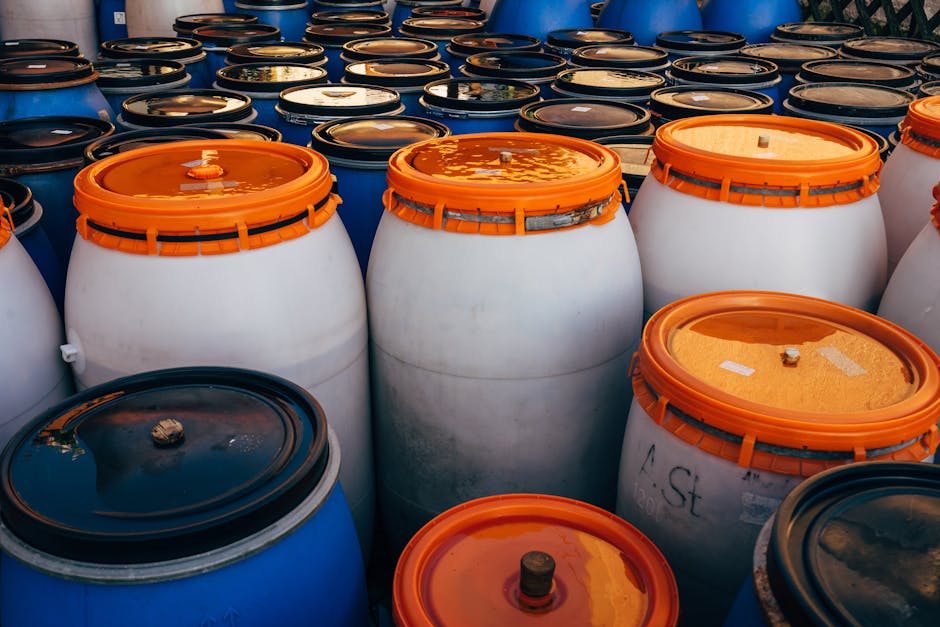
Removing Hazardous Waste from London Homes Safely

If you have old paint tins in the shed, a leaking battery in the utility cupboard, or a box of odd chemicals tucked behind the boiler, you are not alone. Removing hazardous waste from London homes safely is one of those jobs people tend to delay until it starts to smell, leak, or just look a bit worrying. Truth be told, that is usually the wrong moment to start guessing what to do.
This guide explains what counts as hazardous waste in a home, why safe removal matters in London, how the process works, and what to do before anything is touched. You will also find a practical checklist, a comparison table, and the common mistakes that cause trouble. If you are clearing a flat, a house, a loft, a garage, or a property after a move, this should help you make a sensible decision without the faff.
Why Removing Hazardous Waste from London Homes Safely Matters
Household hazardous waste is any item or substance that can harm people, pets, property, or the environment if it is stored badly, mixed incorrectly, or thrown out in the wrong way. In London homes, that often includes paints, solvents, bleach, pesticides, aerosols, batteries, fluorescent tubes, broken electrical items, old medicines, gas canisters, oily rags, engine fluids, and some cleaning products. A half-used tin of paint may not look dramatic, but it can still create a messy spill or a disposal issue if it ends up in a general rubbish load.
London adds its own pressure. Homes are often compact, storage is limited, bins fill up quickly, and many people live in flats with shared access, tight stairwells, or no outdoor space. One leaking container in a cupboard can affect a whole room. One careless move through a hallway can leave a strong smell that lingers for days. Let's face it, nobody wants a minor clear-out to turn into a building issue.
Safety matters because hazardous waste can cause different types of harm at once:
- Health risks: fumes, skin contact, burns, or accidental exposure.
- Fire risks: some chemicals, fuels, sprays, and oily materials can ignite or react.
- Environmental risks: spills can enter drains or contaminate soil and water.
- Property risks: leaks can damage flooring, cupboards, loft timbers, and stored belongings.
- Legal and disposal risks: incorrect handling can leave you with a problem the council or a licensed carrier has to resolve.
There is also a trust issue. If a home is being cleared after a tenancy, bereavement, long-term storage, or hoarding, the waste is rarely straightforward. Some items look harmless until you open the lid. Others are hidden behind furniture or stacked in dusty boxes from years ago. A careful, structured approach is what keeps everything calm.
Expert summary: hazardous waste removal is not just about taking things away; it is about identifying risks, separating materials correctly, and moving them through a disposal route that protects everyone involved.
How Removing Hazardous Waste from London Homes Safely Works
The process is simpler when it is treated as a sequence rather than a scramble. In a typical home clear-out, safe hazardous waste removal follows five broad stages: identify, isolate, handle, transport, and dispose. The exact details vary depending on what is found, but the logic stays the same.
1. Identify the item properly
Start by checking labels, packaging, and condition. Is it a household cleaner, a solvent, a battery, or a broken appliance? Is the container sealed? Is there a smell, stain, crust, or leak? If you cannot tell what it is, do not open it just to satisfy curiosity. Curiosity is overrated when a mystery liquid is involved.
2. Separate hazardous items from general waste
Do not mix chemicals, do not pile sharp items into soft rubbish, and do not place batteries loose in a bag with other waste. Keep hazardous items together only if they are compatible and stable. If you are unsure, keep them apart and upright. This small step prevents reactions, punctures, and contamination.
3. Stabilise and contain the waste
Containers should be closed if safe to do so, wiped clean if there is residue on the outside, and placed in a rigid, secure area away from heat or moisture. In a London flat, that might mean a ventilated corner of a kitchen or hallway away from children and pets, at least until collection is arranged. If a container is damaged, double-bagging is not a cure-all; sometimes a stronger outer container or specialist handling is needed.
4. Use the right collection route
Not every waste item can go in ordinary rubbish, bulky waste, or a standard clearance load. Some can be accepted through dedicated council services, while others need licensed specialist removal. For larger household clear-outs, related services such as house clearance, flat clearance, or garage clearance may be the practical starting point, especially when hazardous items are part of a wider job.
5. Dispose of materials through compliant channels
Final disposal should match the waste type. Recyclable electricals should not be treated the same way as chemicals. Paint behaves differently from batteries. White goods may contain components that need special handling, which is why services like white goods recycle can be relevant when fridges or similar items are involved. If there is a mixed load, it may need sorting before removal. That part matters more than people think.
In practice, the safest providers use trained staff, suitable vehicles, protective equipment, and a clear understanding of waste segregation. They also know when a job must be declined or escalated because the material is too risky for standard removal. That caution is a feature, not a nuisance.
Key Benefits and Practical Advantages
Safe removal does more than get a cluttered room back to normal. It reduces uncertainty. That is a big deal when you are dealing with unknown substances in a family home or a rental property.
- Fewer accidents: the risk of spills, fumes, burns, and cuts drops when items are handled correctly.
- Cleaner living space: kitchens, lofts, sheds, and utility rooms become usable again.
- Better compliance: you avoid casual disposal that may not be acceptable for regulated waste.
- Less stress: a clear process beats trying to work it out bin by bin on a Sunday afternoon.
- Improved recycling outcomes: separating recoverable material from genuine hazardous waste helps reduce landfill reliance.
- Safer property handover: useful in move-outs, landlord inspections, probate clearances, and pre-sale preparation.
There is a practical advantage too: once hazardous items are removed properly, the rest of the clearance becomes easier. Teams can work faster because they are not constantly pausing to ask whether an item can be lifted, bagged, stacked, or tipped. That can save time on-site and reduce awkward delays.
For homeowners, the biggest benefit is peace of mind. For landlords and managing agents, it is the ability to hand over a property without hidden risks. For families, it is simply knowing the cupboard is no longer a small chemistry set. Which, to be fair, is a relief.
Who This Is For and When It Makes Sense
This service is not only for obviously hazardous situations. A lot of London homes have small pockets of problem waste hiding in plain sight. It makes sense for anyone dealing with:
- old household chemicals or cleaning products
- decorating waste such as paint, varnish, thinners, or adhesive
- broken batteries, power packs, or electricals
- loft or garage clutter with unknown containers
- after-building work leftovers, including solvents and fillers
- property clearances after long tenancies or probate
- hoarded rooms or overloaded storage areas
- garden chemicals, fuel, or pesticide containers
In a real London terrace house, it is common to find a few forgotten tins in a shed beside rusty tools and half a bag of compost. In a flat, the equivalent might be a cupboard under the sink with strong cleaning fluids, spare aerosols, and old batteries in a jar. Different setting, same headache.
This is also a sensible route if you are preparing for:
- a move-out inspection
- a refurbishment or decorating project
- an estate clearance after a relative has died
- a business move from a home office or mixed-use property
- a long-overdue sort-out after years of storage building up
If you only have one or two small items, a council collection or local drop-off route may be enough. If you have mixed waste, access issues, or you are unsure what something is, specialist help is the more cautious choice. That is usually the right call, even if it feels slightly over the top at first.
Step-by-Step Guidance
If you want to remove hazardous waste safely, work through the job in a calm order. No shortcuts. No heroic rushing. No "it'll probably be fine" energy.
- Walk the property slowly. Check cupboards, under sinks, sheds, lofts, garages, bathrooms, and utility areas. Look for labels, warning symbols, leaks, rust, bulging packaging, or unusual odours.
- Keep children and pets away. This sounds obvious, but it is easy to forget when you are sorting through bags and boxes. Close the room if needed.
- Do not mix unknown substances. Separate liquids from solids, aerosols from sharp items, batteries from metal scrap, and chemicals from everyday rubbish.
- Leave sealed containers sealed. If a lid is stuck and opening it would mean splashing or breathing in fumes, stop there.
- Photograph uncertain items. This is helpful if you later need to describe them to a disposal specialist or council service.
- Pack items safely for transfer. Use rigid boxes or trays for stable containers. Keep everything upright where possible.
- Choose the right removal route. For a broader clearance job, pages like waste removal, waste disposal, and rubbish removal may help you understand how a mixed job is usually approached.
- Ask about handling and segregation. A reputable provider should be able to explain what will happen to the items, how they will be separated, and whether anything needs to be left behind for specialist treatment.
- Clear the remaining non-hazardous waste afterwards. Once the risky items are out, the rest of the space can usually be handled more efficiently.
One small but important point: if you smell chemicals but cannot find the source, stop searching blindly. Open windows if it is safe, leave the area, and arrange help. That one decision can prevent a bad day from getting worse.
Expert Tips for Better Results
Small details make a big difference with hazardous waste. In our experience, the jobs that go smoothly are the ones where the client has already done a bit of sorting and noted what is present.
Keep an item list, even a rough one
A simple list helps everyone. Write down categories such as paint, batteries, aerosols, cleaning products, or unknown bottles. You do not need a perfect inventory. Just enough detail to avoid surprises.
Store items in one ventilated place before collection
If the waste is stable and safe to move a short distance, keep it together in a dry, away-from-heat area. A garage corner or utility space may be suitable. Not next to a radiator, please. That goes without saying, but still.
Never pour substances down sinks or drains
This is one of the most common temptations, especially with leftover cleaning fluid or diluted paint. But drains are not a magic exit hatch, and the consequences can be much bigger than expected.
Match the disposal method to the item
What works for a cardboard box does not work for a half-full can of adhesive. Reusable electricals, scrap metal, batteries, and chemicals each have different handling needs. Mixing them creates extra risk and extra cost.
Plan access before collection day
In London, stairs, parking, loading restrictions, and narrow entrances can affect the whole job. If the waste is upstairs or in a basement, say so early. It saves time and avoids awkward reshuffling later.
Ask how mixed loads are separated
If a clearance includes ordinary junk as well as hazardous items, ask how the load will be sorted. A careful team should explain the process plainly. If they wave it away with vague reassurance, that is not ideal.
Use timing to your advantage
If you have a busy household, choose a time when rooms can be aired and accessed easily. Early morning or midweek can sometimes be less disruptive, depending on the property. A little planning saves a lot of nerves.
Common Mistakes to Avoid
People usually make hazardous waste removal harder by trying to simplify it too quickly. That sounds odd, but it happens all the time.
- Mixing incompatible items: never combine unknown chemicals, batteries, and general rubbish in one bag.
- Ignoring labels and warnings: faded labels still matter. Even partial information can be useful.
- Carrying leaking items without containment: a small drip can become a trail through the hallway.
- Leaving items in hot areas: lofts, sunny conservatories, and boiler cupboards can worsen the risk.
- Assuming all waste is the same: it isn't. A paint tin and a broken fridge are very different jobs.
- Forgetting access constraints: a collection crew cannot work safely if the route is blocked with furniture or bags.
- Trying to handle unknown powders or old containers alone: if you do not know what it is, treat it with caution.
- Choosing a service based only on speed: fast is useful, but only if the sorting and disposal are still done properly.
The last mistake is a sneaky one. If a provider promises to take anything with no questions asked, that can sound convenient. It may also mean they are not paying enough attention. For hazardous material, attention is the whole game.
Tools, Resources and Recommendations
You do not need a warehouse of specialist kit to begin safely. Most home situations can be handled with a few sensible tools and a careful approach.
| Tool or item | Why it helps | Best used for |
|---|---|---|
| Heavy-duty gloves | Reduces contact with sharp edges, residue, and dirty containers | Batteries, broken packaging, dusty garage finds |
| Rigid boxes or trays | Keeps containers upright and easier to carry | Paint tins, aerosols, small chemical containers |
| Protective eyewear | Useful when checking unstable lids or contaminated surfaces | Leaking or crusted containers |
| Labels or marker pens | Helps identify item types and separate loads clearly | Mixed clear-outs and staged collections |
| Plastic sheeting or absorbent material | Helps contain minor residue during transport | Short-distance movement of stable items |
For broader waste removal and clearance jobs, it also helps to understand which service type fits the job. For example, a small collection may sit better under bulk waste collection or bulky waste collection, while larger home projects may need home clearance or waste clearance to deal with mixed items in one visit.
If energy efficiency and appliance disposal are part of the job, related items such as fridges, mattresses, sofas, or white goods may need separate consideration. Services like fridge disposal and mattress disposal sit alongside this kind of work more often than people expect.
A good recommendation, honestly, is to keep things boring and systematic. Boring is safe. Boring wins here.
Law, Compliance, Standards, or Best Practice
Hazardous waste in the home is not something you should guess your way through. In the UK, there are legal and practical expectations around correct waste handling, appropriate transfer, and the use of suitably authorised carriers where needed. The exact obligations depend on the material, the quantity, and who is removing it, so it is wise to ask clear questions rather than assume everything is routine.
For householders, the main best-practice points are straightforward:
- do not mix hazardous waste with ordinary household rubbish
- do not dump chemicals in drains, gardens, or communal bins
- store items securely until they can be removed
- use a provider that can explain how waste will be handled
- keep records or notes for unusual items, especially in larger clearances
For landlords, letting agents, and property managers, the standard is higher in practice because there is a duty to leave a property in a safe, handover-ready condition. For probate and estate work, there may be sensitive items, medical-related waste, or old household products hidden inside general belongings. That is where patient sorting and documented removal really matter.
Reputable operators should also have visible attention to safety and insurance. Pages such as health and safety policy and insurance and safety are worth checking if you are comparing providers. If you are arranging a larger job, the pricing page can also help set expectations: pricing and quotes.
Best practice is not about being rigid for the sake of it. It is about reducing avoidable risk. That is the whole point, really.
Options, Methods, or Comparison Table
Not every hazardous waste situation needs the same response. Here is a practical comparison of common options.
| Method | Best for | Pros | Limitations |
|---|---|---|---|
| Council hazardous or special collection route | A small number of suitable household items | Can be cost-effective and convenient for simple cases | May have item limits, booking rules, or waiting times |
| Specialist hazardous waste removal | Mixed waste, unknown items, larger volumes, awkward access | Safer for complex jobs and faster for full clear-outs | Usually costs more than basic disposal |
| Part of a wider house or flat clearance | When hazardous items sit alongside general clutter | Efficient for whole-property jobs and post-move clean-outs | Needs careful sorting so hazardous items are not buried in the load |
| Appliance or item-specific disposal | Fridges, mattresses, sofas, large white goods | Simple when the waste type is clear | Not suitable for chemicals or unknown hazardous materials |
The right option depends on volume, access, the kind of item, and how urgent the job is. If you are only dealing with a couple of sealed household items, a targeted route may be fine. If the situation includes leaks, damaged containers, or a full garage clear-out, specialist help is the safer route every time.
Case Study or Real-World Example
A fairly typical London example: a family in a two-bedroom flat in Wandsworth was clearing a spare room after years of storage. The room held mixed household items, several unopened cleaning products, old batteries in a tin, a few paint cans from a previous decorating job, and a cracked box that smelled faintly of solvent. Nothing dramatic on the surface, just the usual "we'll deal with it later" pile. You know the kind.
Before removal, the family separated everyday rubbish from items that might be hazardous. They left the suspicious solvent container untouched, kept the room aired, and moved the children's toys and soft furnishings out of the way. During sorting, they found a leaking battery pack tucked behind a storage box. That item was isolated immediately instead of being thrown into the main bags.
The practical lesson was simple: the problem was not one huge dangerous item, but several small risks sitting together. Once the hazardous items were identified and removed separately, the rest of the room could be cleared quickly and safely. The family ended up with a proper useable spare room, not a half-finished pile of uncertainty.
If you are dealing with something similar, the best move is usually not to do everything at once. Tidy the risk first. Then handle the rest. It keeps the job calmer and, frankly, much less messy.
Practical Checklist
Use this checklist before any hazardous waste is moved or booked for removal.
- Identify the item type if possible
- Check for leaks, cracks, bulges, smells, or residue
- Keep children and pets away from the area
- Do not mix chemicals or unknown substances
- Leave sealed containers closed if it is safe to do so
- Store items upright in a secure, ventilated place
- Photograph anything unusual or hard to describe
- Confirm whether the waste is part of a wider clearance
- Plan access for stairwells, narrow hallways, or parking restrictions
- Ask how the removal route handles hazardous and non-hazardous items separately
- Check whether batteries, paint, aerosols, electricals, or fluids need different handling
- Make sure the final disposal route is suitable for the exact item types
If you can tick most of those boxes, you are in a much better position to have the waste removed without avoidable stress.
Get a free quote today and see how much you can save.
Conclusion
Removing hazardous waste from London homes safely is really about judgement, not drama. Identify the risky items, keep them separate, avoid mixing or pouring anything away, and choose a disposal route that matches the material. Do that, and the job becomes far more manageable than it first looks.
Whether you are clearing a single cupboard or a whole property, the aim is the same: protect the people in the home, avoid contamination, and get the space back to normal without creating a second problem in the process. That's the steady way through it. No heroics required.
If you are unsure about any item, treat uncertainty as a reason to slow down, not a reason to guess. A careful start usually leads to a much easier finish, and that little bit of caution has a habit of paying you back.
Frequently Asked Questions
What counts as hazardous waste in a London home?
Common examples include paints, solvents, batteries, aerosols, pesticides, fuels, cleaning chemicals, certain electrical items, fluorescent tubes, and damaged containers with residues or leaks. If it could burn, leak, corrode, or release harmful fumes, treat it cautiously.
Can I put hazardous household waste in my normal bin?
No, not if it is genuinely hazardous. Mixed with general rubbish, it can create risks for collection crews, property, and the environment. Some items also require separate handling or a special disposal route.
Is it safe to pour old paint or chemicals down the sink?
No. Sinks and drains are not a safe disposal route for household chemicals, solvents, or leftover paint. Even diluted material can cause problems, and some substances should never go into drainage systems at all.
What should I do if a container is leaking?
Keep clear of the spill if it is unsafe, move people and pets away, ventilate the area if you can do so safely, and avoid touching the liquid without protection. If you do not know what the substance is, get advice from a professional waste remover or your local authority.
Do I need specialist removal for just a few items?
Not always. A few sealed batteries or a small amount of suitable household waste may be handled through a council route. If the items are damaged, unknown, mixed, or part of a larger clear-out, specialist removal is usually the better choice.
How do I prepare hazardous waste for collection?
Sort items by type, keep them upright, do not mix them, and store them in a secure spot away from heat and children. If anything is leaking, cracked, or hard to identify, note it separately and explain it before collection.
Can hazardous items be collected during a house clearance?
Yes, often they can, but they should be identified and segregated properly so they are not handled like ordinary junk. A good clearance service will know which items need special treatment and may set them aside before loading the rest.
How long does hazardous waste removal take?
That depends on volume, access, and how sorted the items are already. A few containers can be relatively quick, while a hoarded loft or mixed garage job may take much longer because sorting and safe handling come first.
What if I do not know what the substance is?
Do not open it or mix it with other waste. Keep it isolated, note any markings, and take photographs if helpful. Unknown substances should be treated with extra caution because the risk is often in the guesswork, not the item itself.
Are fridges, mattresses, and white goods considered hazardous waste?
Not always in the same way as chemicals, but they can contain components that need special disposal or recycling treatment. Large appliances and soft furnishings often need their own removal route, which is why item-specific services can matter.
Is it worth combining hazardous waste removal with a larger clearance?
Usually yes, if the job includes other clutter or unwanted items. Combining the work can save time and reduce disruption, as long as the hazardous items are properly separated and handled first.
How do I choose a reliable provider in London?
Look for clear explanations of handling, safety, and disposal; sensible questions about the waste type; and a proper approach to sorting and transport. If a provider is vague about how hazardous items are dealt with, that is a warning sign. Better to ask one more question than to regret one less.